Launch on 20 January 2027 · St Mary’s Church, Davos, during the World Economic ForumContact · Programme · Deutsch
MISSION 2033 › Technologies

Four technologies, one goal

More rain, water for the fields, higher yields and food that keeps – plus protection from fires, polluted air and disease.

Four technologies

From rain to bread

MISSION 2033 deploys proven, environmentally friendly technologies from several companies. Each covers one step in the chain – only together does water become bread.

1
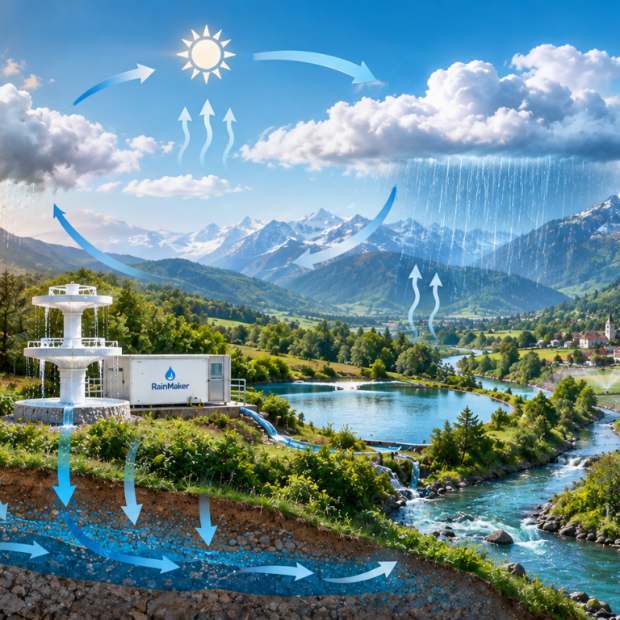
Illustration: ground station supporting rain formation in the clouds
Water from the atmosphere

More rain and snow – modelled on nature

From the ground, the technology supports the natural process by which a cloud becomes a rain cloud. No aircraft, no chemicals. Proven in more than 550 deployments for governments on three continents, including a four-year government programme in Jordan.

+30–50%precipitation compared with the 30-year average
5,000 km²per project
Key technology: RainMaker Group, Switzerland
2
Water
Storing and distributing water

So that every drop reaches fields and villages

Cisterns, retention basins and pipelines hold on to the additional rain. Solar-powered pumps and simple treatment bring clean water to people and animals.

Partner companies being selected
3
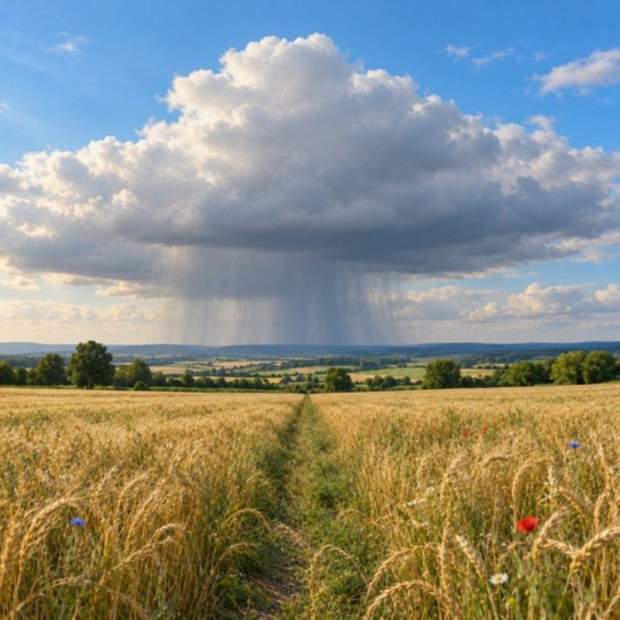
Rain over a wheat field
Farming and irrigation

More harvest from every litre

Drip irrigation, adapted seed, healthy soils and advice for farmers. Together with the additional rain, yields rise markedly.

+40%agricultural yields
Partner companies being selected
4
Producing and preserving food

The harvest becomes food for the whole year

Processing, storage and cooling right in the region reduce harvest losses. Modern food production creates local jobs and makes surpluses marketable.

Partner companies being selected
Better quality of life

Protection from fire, smoke and disease

People who go hungry often also suffer from fires, polluted air and disease. The same technologies help here too – part of the better quality of life that MISSION 2033 brings.

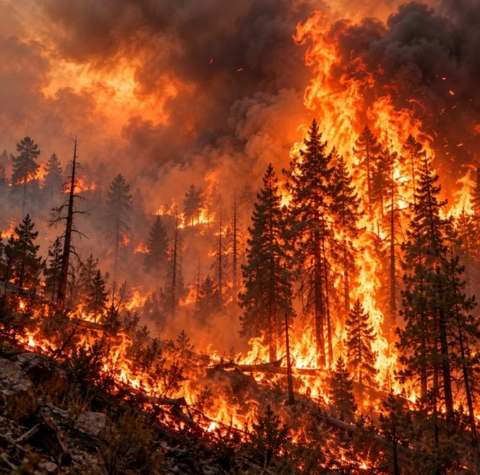
Forest fire
Fire

Prevent, stop, extinguish

  1. Prevent: rain keeps soils and forests moist and lowers the risk of fire.
  2. Stop: detect fires early and contain them before they spread.
  3. Extinguish: fight active fires directly.
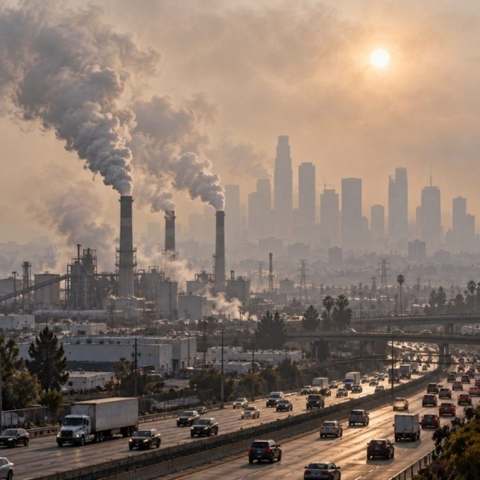
Smog over a city
Air

Clean air – outdoors and indoors

  1. Outdoors: wash pollutants and fine dust out of the air above cities.
  2. Indoors: smoke from open cooking fires is one of the greatest health risks in poor households.
  3. Pandemics: indoor air cleaning reduces the transmission of pathogens.
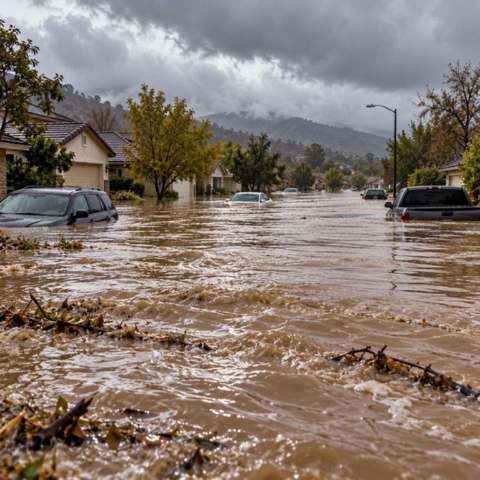
Flooded street
Water and health

Clean water, fewer floods

  1. Health: clean drinking water prevents diarrhoeal disease, especially among children.
  2. Floods: limit damage from heavy rain with precise forecasting.
  3. Creation: animals and plants regain their habitat.
An underestimated issue

Climate change and disease

Climate change makes people ill: through heat, hunger, polluted water and diseases carried by mosquitoes. The poorest are hit hardest – often the very people who are going hungry today.

Today – every year

546,000deaths from heat every yearLancet Countdown 2025
124 mmore people without secure food – because of drought and heatwavesLancet Countdown 2025, figure for 2023
12 mdengue cases in just eight months of 2024 – almost twice as many as in all of 2023WHO 2024
CHF 1.1 tndamage per year from heat alone: lost work and deathsLancet Countdown 2025, USD 1.35 tn

If nothing changes

Additional health impacts of climate change, counted from 2024

Additional deaths
2033: around 5 m
2050: 14.5 m
Healthy life years lost
2033: around 0.7 bn
2050: over 2 bn
Economic damage
2033: around CHF 3.6 tn
2050: around CHF 10.3 tn

From 2030: 250,000 a year

That is how many additional deaths WHO expects every year – from malnutrition, malaria, diarrhoea and heat.

5 billion people

will be at risk of dengue and related diseases by 2050 – today it is around 4 billion (WHO).

CHF 0.9 tn

in extra costs for health systems by 2050 – money that the poorest countries do not have.

Sources: Lancet Countdown 2025; WHO; World Economic Forum with Oliver Wyman, “Quantifying the Impact of Climate Change on Human Health” (2024). Figures for 2033 are linear projections by MISSION 2033 from the figures for 2050. Conversion: USD 1 = CHF 0.82.

MISSION 2033 takes action

Health is part of the mission

  • Clean water prevents diarrhoeal disease, especially among children.
  • Secure food prevents the malnutrition that makes people vulnerable to disease.
  • More rain and clouds ease heatwaves and drought.
  • Clean air indoors and outdoors protects the airways and lowers the risk of pandemics.
  • Health programmes with local doctors measure what the mission achieves.
Health

Dr Youri Lavinski

A physician with many years of experience in the United States and Germany, he is MISSION 2033’s expert on climate change and health. He brings together medicine, prevention and the health programmes in the project regions.
Davos in winter
For Europe too

Preserving Europe’s water tower

The Alps store water for half of Europe. More snow in winter and a slower retreat of the glaciers secure rivers, lakes, farming and energy – in Switzerland and far beyond.

This is how MISSION 2033 also works where it began.

Principles

How we select technologies

  • Environmentally friendly: no chemicals, no interventions that harm creation.
  • Proven: only technologies with demonstrated impact in the field.
  • Measured: every effect is backed by data and independently reviewed.
  • With local people: operation and maintenance pass to skilled workers from the region.
  • Open: other companies with suitable solutions are welcome – get in touch.

Become part of MISSION 2033

From just €1 a month – for yourself, your family, your parish or your company.

Get involved now